Navigation. “The real talk”
Righto. So, Pete here, not Lu who is the heart and soul of the blog. I write very differently, and I think very differently to most. I am an autistic drunk with PTSD and its literally a superpower when it comes to navigation. Wait… what? Autism… Alcohol… PTSD? How in the hell does that help you navigate on horseback? Well, that’s the whole point of this article and webinar, and course that follow it. I believe most think about navigation wrong, and that’s the autism speaking. I see the world completely differently and the PTSD and love of beers has me factoring in detailed safety nets as well as regular stops for resupplies. Grab a beer, have a sit down, and let’s have a bit of a yarn about what makes me more than an obnoxious weird guy, and a genius when it comes to navigation.
NAVIGATION IS NOT A TO B ON HORSE BACK!
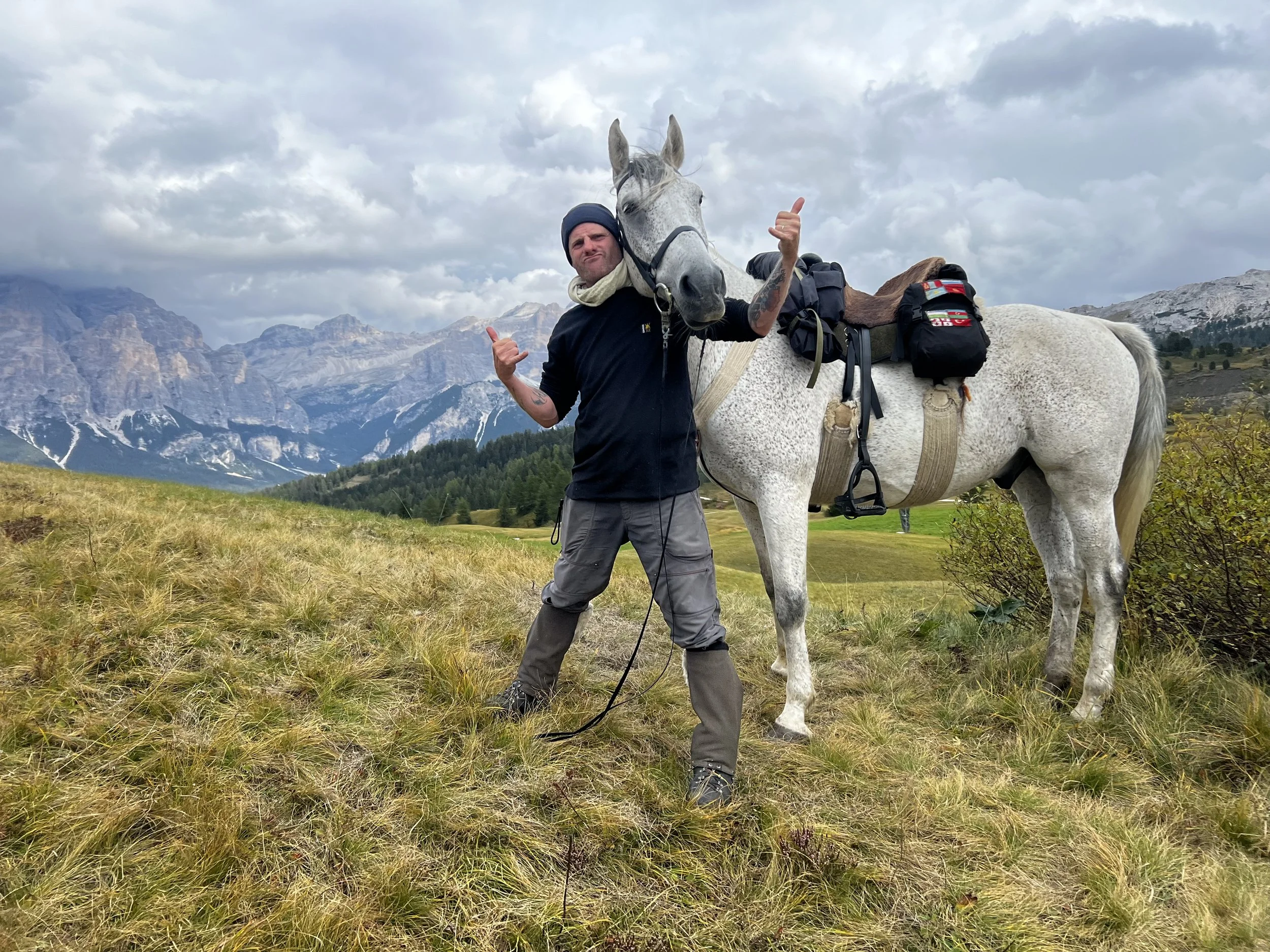
When you decide to travel with a horse, its not a case of fill the car with gas and drive following google maps. It’s a relationship. It’s a dance. It’s a connected moment that requires more than “just go here”. You must move together, you must move as a unit and the destination is simply not where your going, its where you are going together. Are you someone that dances cheek to cheek? Or having a dance off, piss drunk, with some random guy while your girl watches? Because the second you set foot on the road with a horse you need to be cheek to cheek and navigation is NOT your first consideration. Your horse is. The second its not… you jeopardise the week after next. Wait… two weeks ahead? Yeah. Two weeks ahead. A day on half rations, a day doing extra HOURS not kilometres, a day with the saddle on for over 4 hours… it adds up and I mean it adds up to the utter and complete destruction of your horse. How do I know? Because I have destroyed horses. Yep, wish it wasn’t true… but it is. Maybe not destroyed… but damaged enough to feel guilty 5 years on that’s for sure.
Yep… had a few whiskeys and I’m getting all sidetracked. And… that’s good navigation thinking. ITS NOT LINEAR! Get distracted, think laterally, and when you look at the map think about all that random stuff. It’s NOT A – B! The more random your thinking, the better you will do on the road with a horse especially if you can think about everything that will go right and wrong. So, let’s start right there with what can go right and wrong. And wrong… that’s the easy part. Everything. Pretty much everything, and the best way to avoid them is to predict them so start by mentally calculating worst case scenarios and how you will deal with them. Keep these in mind, and as you look at planning a route with the best case in mind, ALWAYS factor in a worst case and PLAN what you will do in the event of it occurring. So, what are some “worst cases”?
Horse going lame, horse becoming injured, no water access, no good grass, slow travel leaving you in a position where you are short of a safe night spot, and most common… unsuitable trails meaning a big detour or back track.
Your safest bet when things go wrong, is to go back to go forwards. NEVER take a trail you can go up, but not likely turn around on or get back down. The best example of this… stairs. A horse will go up a set stairs easily, but back down… yeah nah. If you had a good night spot and things are looking grim… there’s no shame in just heading back to the spot you stayed the night before. We do this VERY rarely, because we plan correctly but in tough spots I will turn around in a heartbeat and did this often in Romania in particular. If you push too hard into tough terrain, you can end up in deep trouble.
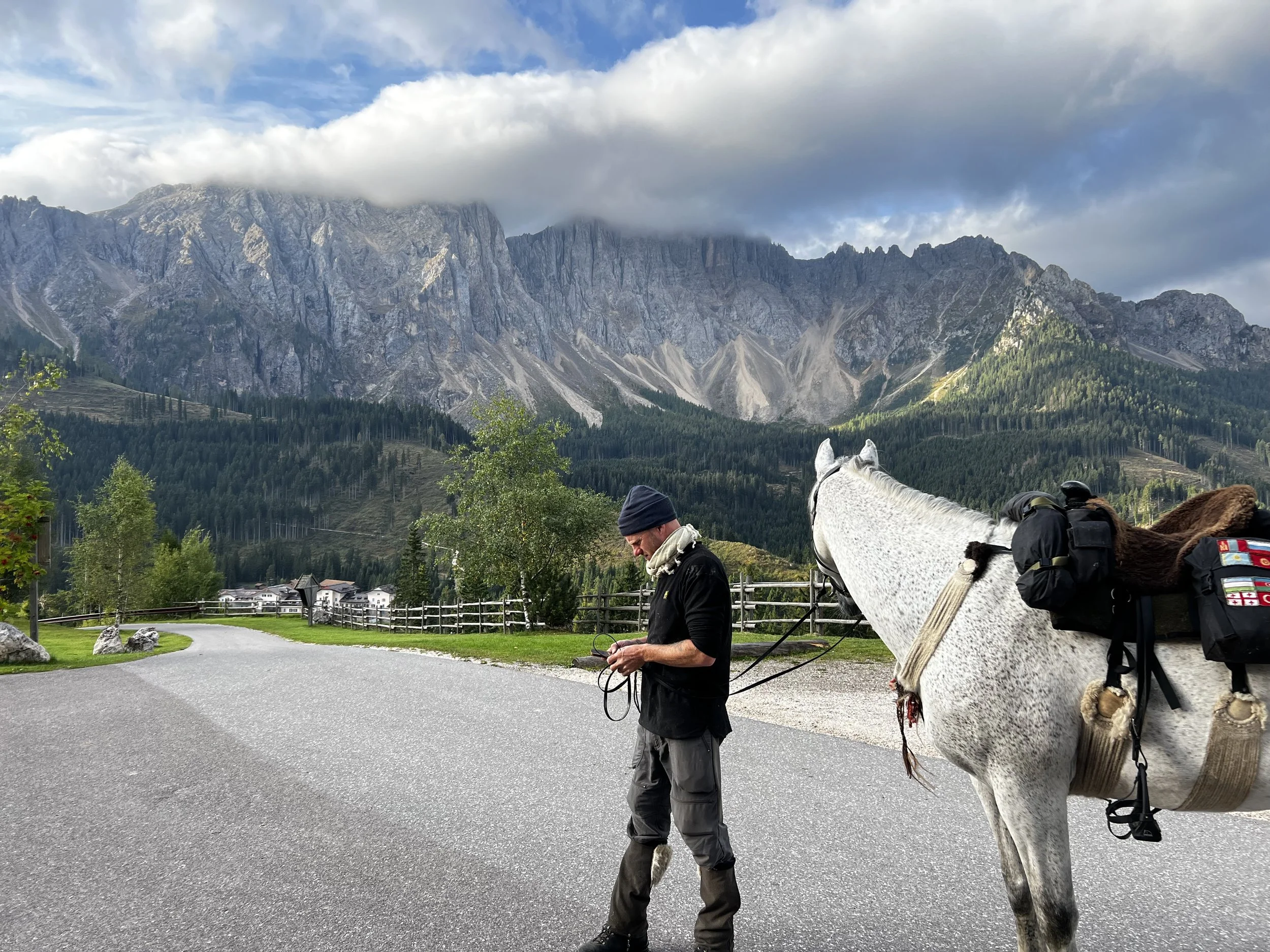
Worst case is ESSENTIAL to plan for, and if you don’t you may as well not even bother setting out. HORSES MUST COME FIRST.
What can go right, as in… what do I want to achieve today? I want to get from where I am now, to a suitable night spot for me and the horses. So how do I plan a route? Well… WWASD! What Would Anderson Silver Do? Don’t know who he is? Google him. But he’s one of the greatest fighters to ever live and his simple philosophy to success is “move like water”. I almost always choose the “path of least resistance” and that’s the secret to navigation with a horse. Your job is to simply remove obstacles from your horse’s path, making its life on the road easy and enjoyable, with as much feed and rest as is humanely possible. Note the wording… remove obstacles from their paths, not overcome obstacles in their path. And this right here is the essence of route planning on the road.
Any idiot can cross a busy road with a horse, its and obstacle, you CAN overcome it like many obstacles can be overcome. But every obstacle increase RISK and you are on a 500kg animal with the brain of a 2 year old that’s scared of plastic bags. Make the path from A to B as smooth for the horse as is possible, choosing to follow trails most likely to reward you with soft but firm ground least likely to hurt your horses’ feet. Paths following water in summer, paths with visible fields ahead where horses can graze and have a REALISTIX goal for the day. Less is so much more when it comes to horseback travel as THE WEAR ON A HORSE ADDS UP MUCH FASTER THAN YOU REALISE!
Now comes the “think like a horse” part. I think it’s pretty simple, but people like straight lines and short cuts, but horses DO NOT. Horses, like all terrestrial game animals follow game trails. The sidle around hills rather than going over them, they follow ridge lines, they follow valley floors and rivers. THEY MOVE LIKE WATER! So, help them. I don’t make my horse walk through puddles. If he wants to walk around them, he can, and I let him steer the ship pretty much all day where so many folks make their horse “GO WHERE I TELL YOU” all day long in a desperate need to control or feel in control.
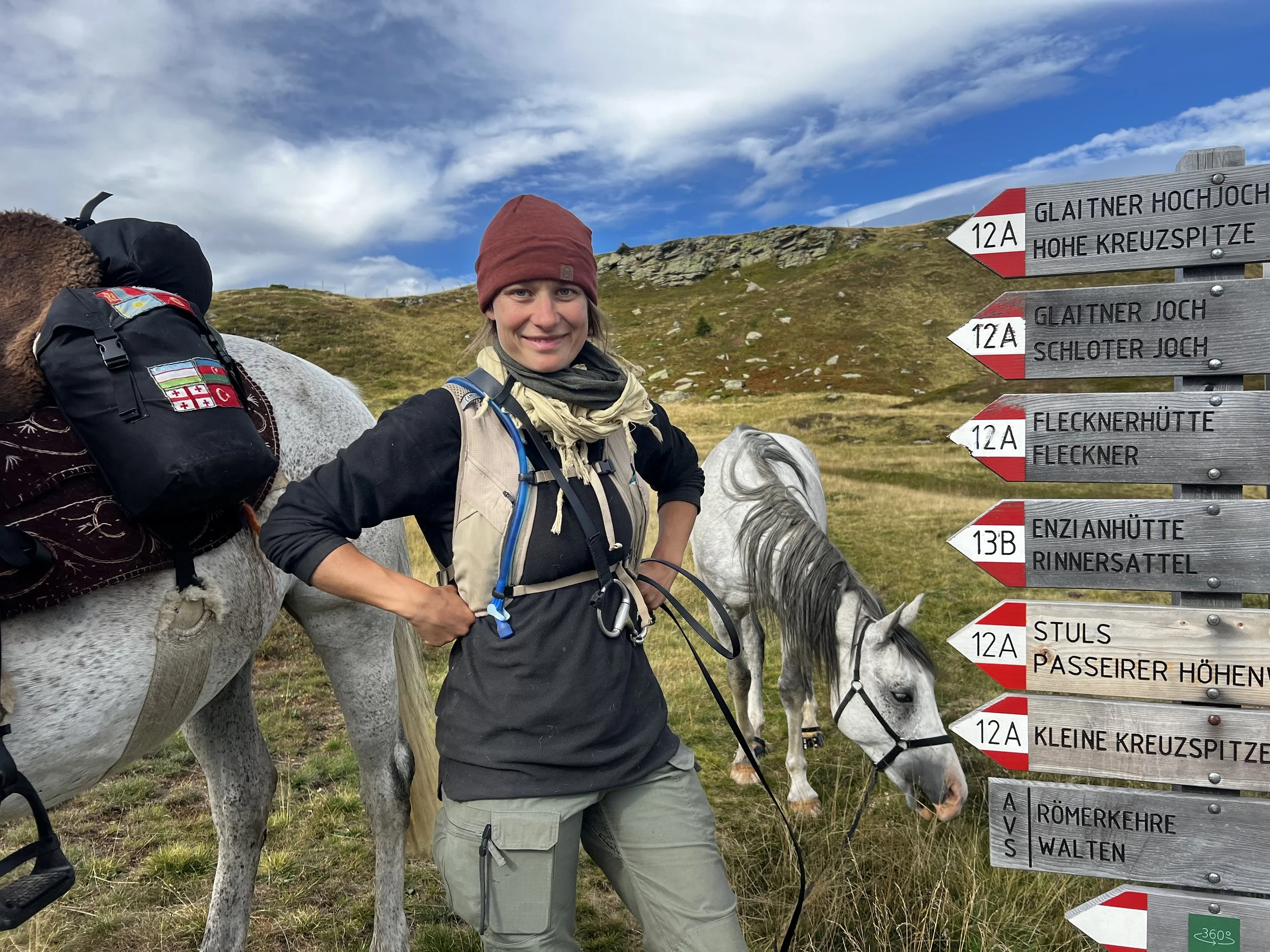
And now we get to maps. Any map program will do, learn how to read it, learn how to visualise the terrain ahead, and build up a solid record of what’s worked for you and what’s failed.
Maps get 2 sentences, learning to think differently about navigation gets 2 pages. And that’s where I see everyone failing with navigation. They focus on the map, not on everything else. They see A to B, not the path the horse would take to achieve this, and that’s what I aim to see.